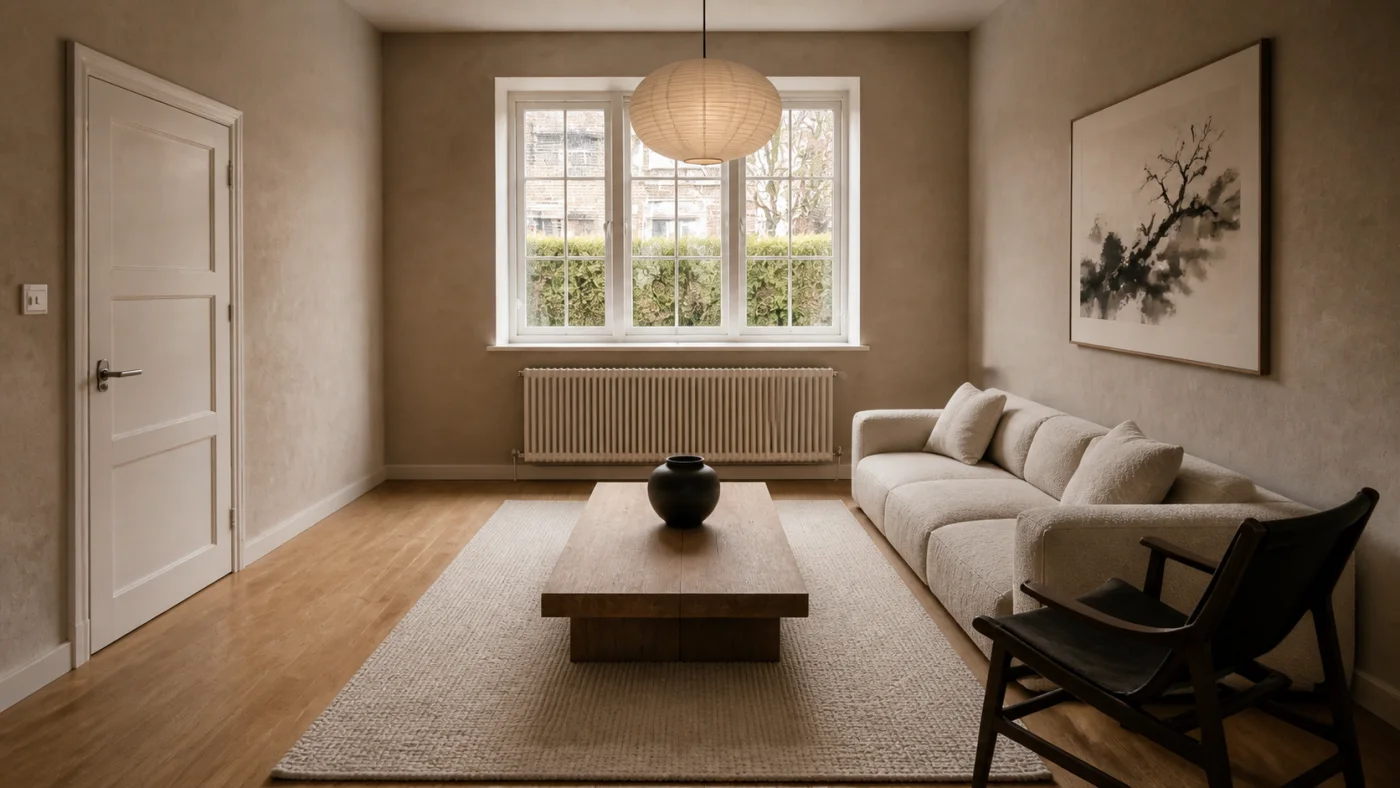
Japandi room design
See how warm timber, tactile neutrals and fewer better-scaled pieces could work inside your actual room.
AI interior design styles
Compare five clear interior directions through material, colour, furniture weight and light, then test the one that suits the room you actually have.
See how warm timber, tactile neutrals and fewer better-scaled pieces could work inside your actual room.
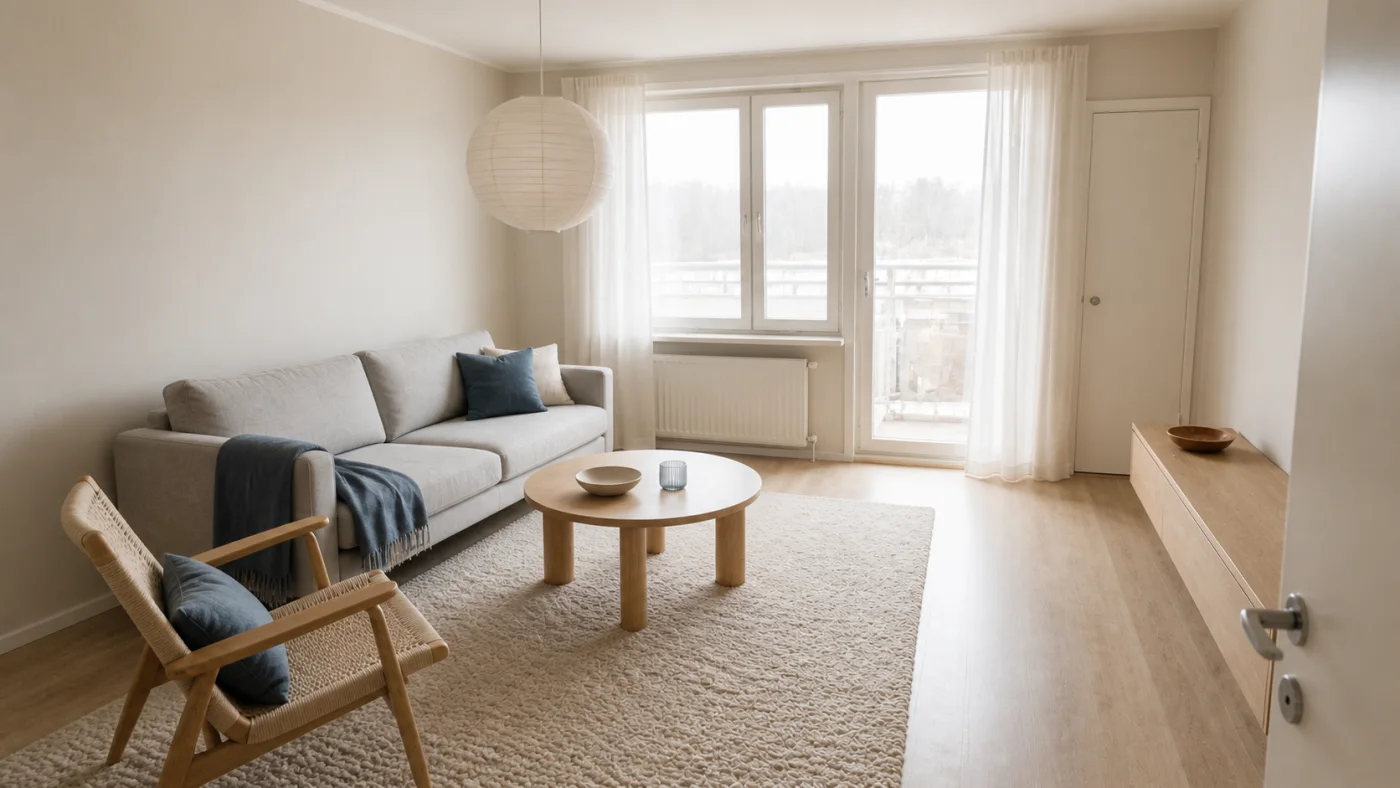
Test a brighter, practical interior direction without turning your real room into a generic white showroom.
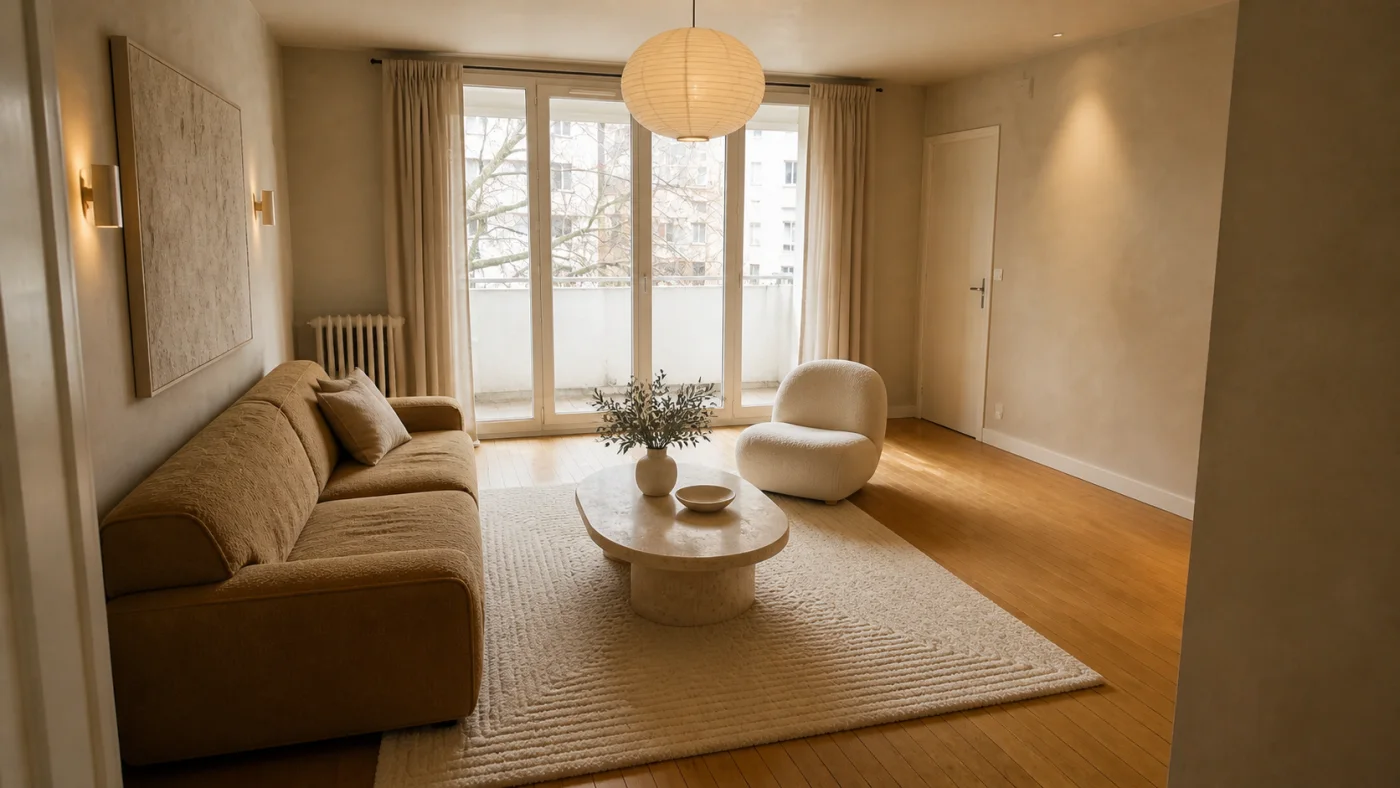
Explore a quieter room through scale, texture and layered light—not by erasing every sign of daily life.
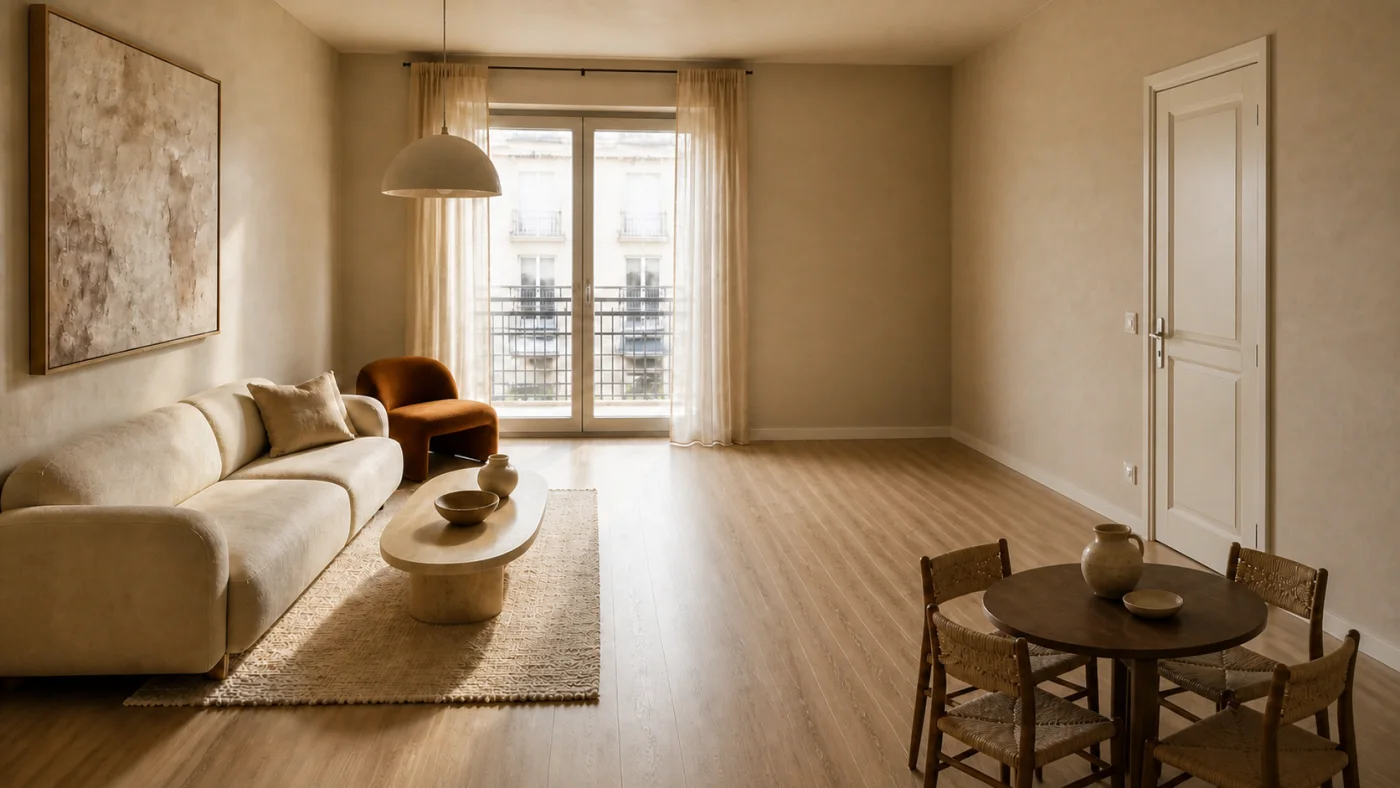
Bring warmer mineral colour, natural timber and relaxed texture into the architecture you already have.
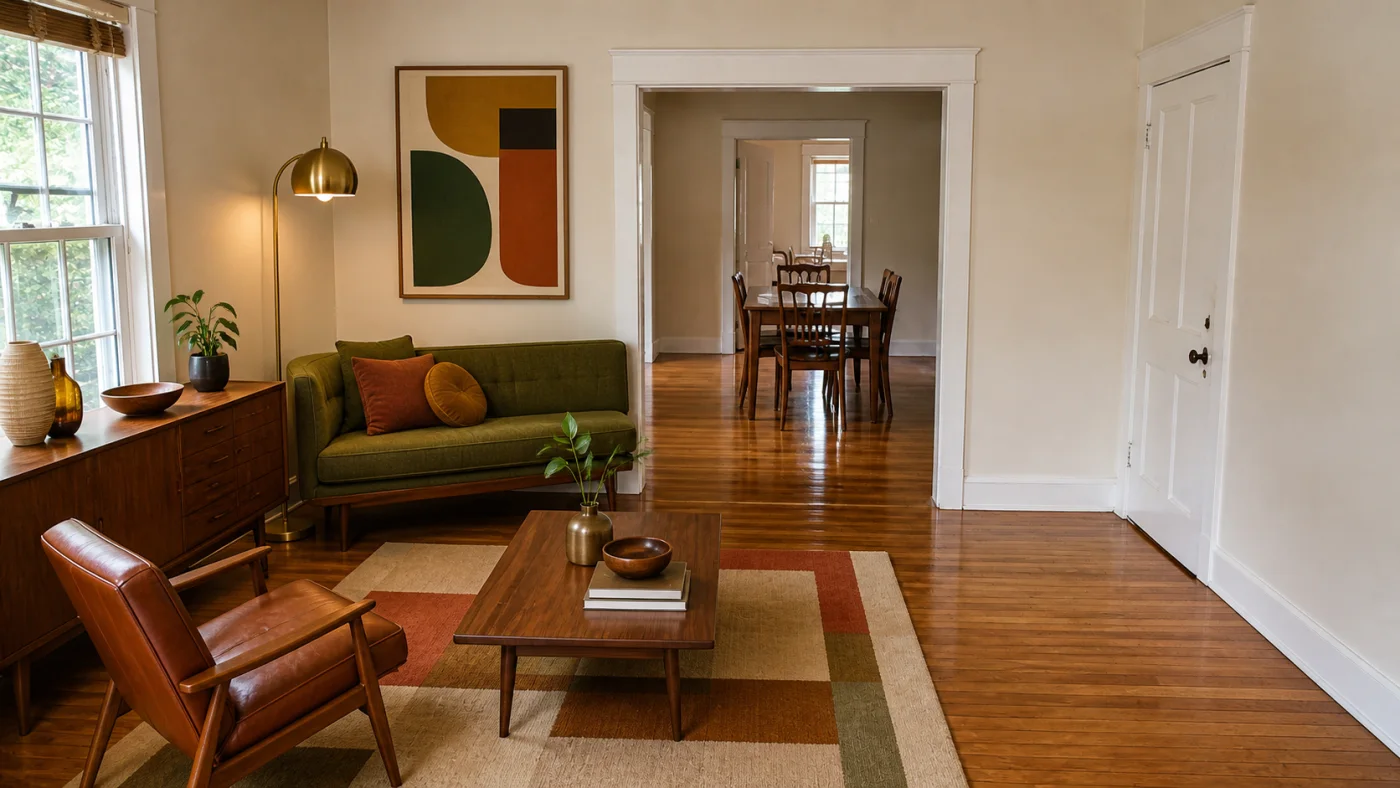
See how warmer timber, lower furniture and controlled colour could give your real room period character without becoming a set.
A useful style direction changes more than decoration. Timber tone affects upholstery, wall colour changes the perceived light, and furniture shape determines how heavy the room feels. Judge those decisions together.
Generate two directions from the same source image. The consistent viewpoint makes it easier to identify whether you prefer the style itself or simply a different room.
Warm minimal, Japandi and Scandinavian directions often reduce visual noise, but furniture scale and circulation matter more than the style name.
Yes, but begin with one dominant direction and borrow only a few compatible cues from the second.
It should focus on the movable interior and finishes. Always compare the result with the source photograph for generated inaccuracies.